Multiple Sclerosis (MS)
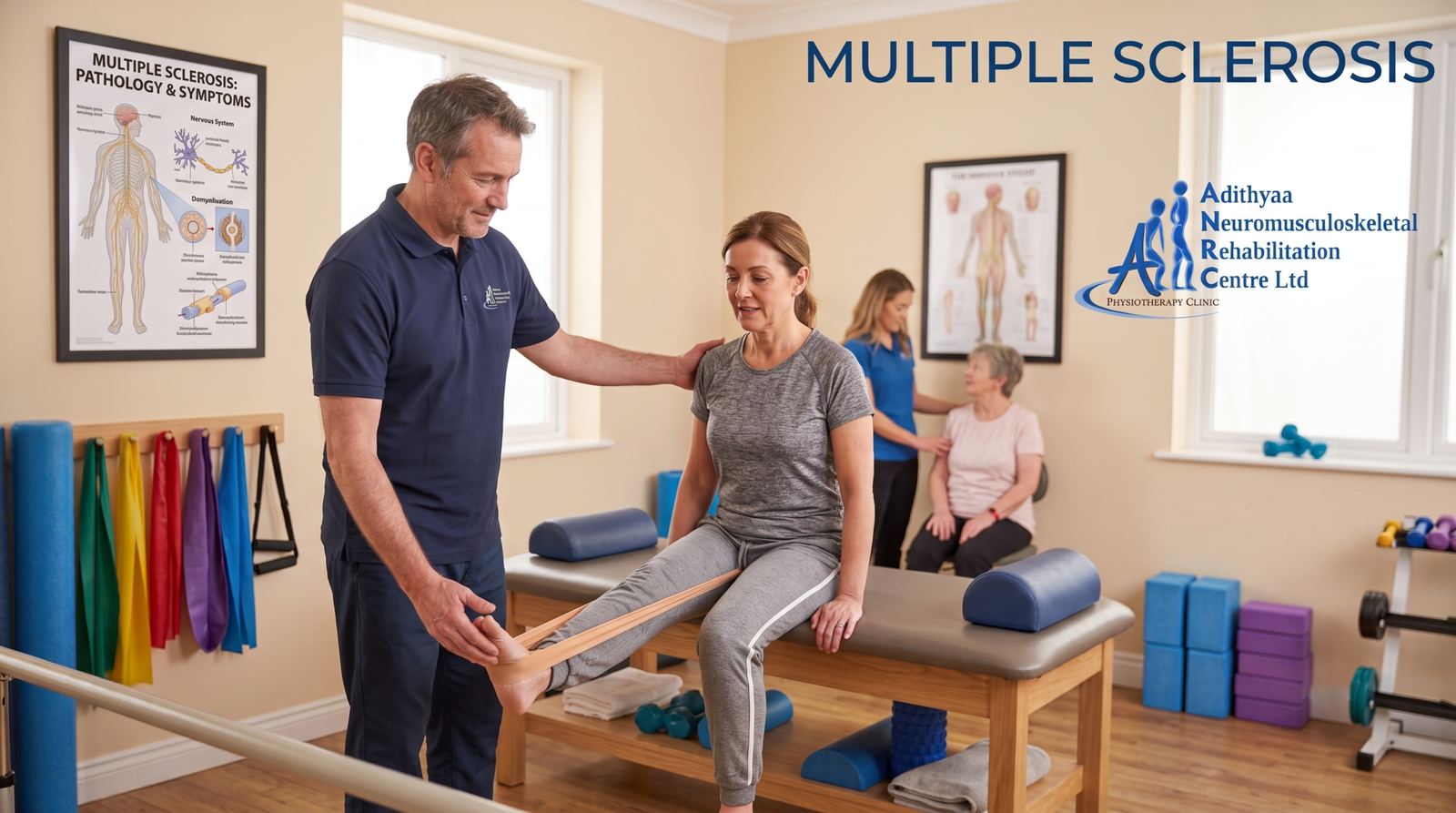
What is Multiple Sclerosis (MS)?
Multiple Sclerosis (MS) is a long-term condition that affects the brain and spinal cord. It occurs when the immune system mistakenly attacks myelin, the protective covering around nerve fibres. Myelin works like insulation around an electrical wire, helping messages travel smoothly between the brain and the rest of the body. When myelin is damaged, these messages slow down or become blocked, leading to a variety of symptoms. The exact cause of MS is not fully known, but it is believed to involve a combination of genetic and environmental factors.
Symptoms
MS symptoms can vary from person to person and may come and go. Early signs often include vision problems (such as blurred or double vision), numbness or tingling, and weakness on one side of the body. Other common symptoms include fatigue, dizziness, balance and coordination difficulties, muscle stiffness or spasms, bladder changes, and challenges with memory or concentration. Many people with MS experience periods of remission, where they feel well, followed by flare-ups when symptoms return.
Causes
The exact cause of MS remains unclear. It is considered an immune-mediated condition, meaning the body’s immune system mistakenly attacks its own tissues. In MS, this attack targets the myelin in the central nervous system. Research suggests that a mix of genetic predisposition and environmental triggers may increase the risk of developing the condition.
How Physiotherapy Works
Ways physiotherapy can transform life with MS:
Improve Strength and Flexibility
Targeted exercises help maintain muscle strength, improve joint mobility, and prevent stiffness. Even small gains can make tasks like standing, walking, or reaching easier.
Boost Balance and Coordination
Physio techniques train your body to move more safely, reducing the risk of falls. Balance exercises can also improve confidence in daily activities.
Manage Fatigue Effectively
Therapists teach energy-conserving strategies and low-impact exercises that increase stamina without overexertion.
Are you struggling with MS fatigue? Try these techniques:
- Pacing & Energy Management: Learn to balance activity and rest, so you can stay active without crashing.
- Low-Impact Aerobic Exercise: Activities like swimming, cycling, or gentle walking improve stamina gradually.
- Stretching & Mobility Routines: Light stretching helps muscles relax, reducing energy drain from stiffness or pain.
- Strength Training for Key Muscles: Building core and leg strength makes daily movements easier, using less energy.
- Adaptive Tools & Techniques: Using braces, walking aids, or ergonomic supports can reduce fatigue during tasks.
Our MS Treatments Include:
- Improving mobility and strength
- Managing fatigue
- Improving balance and coordination
- Managing spasticity and muscle stiffness
- Pain reduction
- Education and self-management