Ataxia
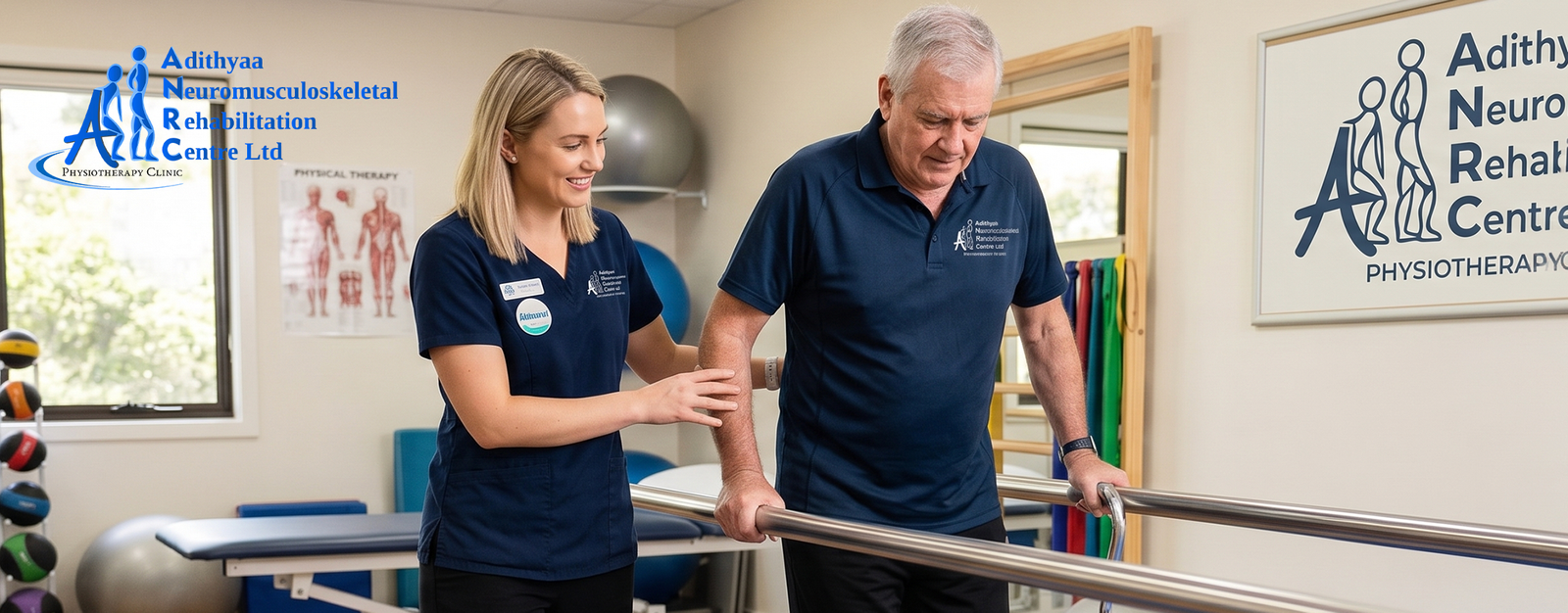
Ataxia is not a single disease but an umbrella term for a group of conditions that affect coordination, balance and speech. It usually stems from damage to the cerebellum, the part of the brain that fine-tunes movement, though damage elsewhere in the nervous system can produce similar effects. Because the underlying cause varies so widely from person to person, the way it presents and progresses varies too.
Common Causes:
- Hereditary Ataxia: Caused by a faulty gene passed down through a family, with Friedreich's ataxia being the most common inherited form.
- Acquired Ataxia: Develops as a result of another event or condition, such as a stroke, head injury, multiple sclerosis, a brain tumour, or a period of prolonged, heavy alcohol use.
- Idiopathic Ataxia: Where no clear cause is identified, even after thorough investigation.
- Nutritional Causes: Certain vitamin deficiencies can contribute to ataxia and are worth ruling out during clinical diagnosis.
Types of Ataxia:
- Friedreich's Ataxia: The most common inherited ataxia, usually appearing in childhood or early adulthood and progressing over many years.
- Spinocerebellar Ataxias (SCA): A group of inherited ataxias caused by different faulty genes.
- Acquired Cerebellar Ataxia: Resulting from a specific event such as a stroke, head trauma, or lack of oxygen to the brain.
- Idiopathic Late-Onset Cerebellar Ataxia: A progressive form that develops later in life.
Symptoms:
Balance and Movement
Unsteady, staggering walking, frequent stumbling, poor coordination of the arms and legs, and tremor during movement.
Speech and Swallowing
Slurred or slow speech, difficulty controlling the volume or rhythm of talking, and problems chewing or swallowing safely.
Fine Control and Vision
Difficulty with tasks needing precision, such as writing or buttoning clothes, along with abnormal eye movements or double vision.
When to see a doctor: Ongoing unsteadiness, a change in coordination, or slurred speech that develops gradually should always be assessed by a doctor to identify the underlying cause. If any of these symptoms appear suddenly alongside facial drooping, arm weakness, or confusion, call 999 immediately.
How Physiotherapy Works in Ataxia
In most cases we cannot reverse the underlying cause of ataxia, particularly where it is hereditary or progressive. What physiotherapy can do is help the body compensate for lost coordination, maintain remaining strength and range of movement, and slow the pace at which function is lost—all directly supporting independence and quality of life.
What happens if physiotherapy is delayed:
- Faster Loss of Function: Without regular input, coordination and balance tend to decline more rapidly.
- Muscle Weakness: Reduced physical activity leads to deconditioning on top of the coordination difficulties already present.
- Contractures: Joints and muscles left unstretched can become stiff and lose functional range of movement over time.
- Increased Fall Risk: Untreated balance deficits make falls more frequent and potentially serious.
- Loss of Confidence: Repeated stumbles or near-falls often cause individuals to reduce activity, accelerating decline.
- Missed Compensation Strategies: Early education in adapted techniques for walking, transfers, and daily tasks preserves long-term independence.
Our goals of physiotherapy in ataxia include:
- Improve Balance and Reduce Falls: Structured balance training tailored to specific coordination deficits.
- Maintain Strength and Range of Movement: Ongoing exercise to prevent secondary weakness and stiffness.
- Teach Compensation Strategies: Practical techniques for walking, transfers, and tasks that work around coordination challenges.
- Support Safe Mobility: Clinical advice on walking aids and wheelchair options as needs change.
- Prevent Secondary Complications: Maintaining mobility to protect against contractures, pressure injuries, and deconditioning.
- Build Long-Term Confidence: Supportive guidance that enables patients to stay active and independent for as long as possible.