Peripheral Neuropathy
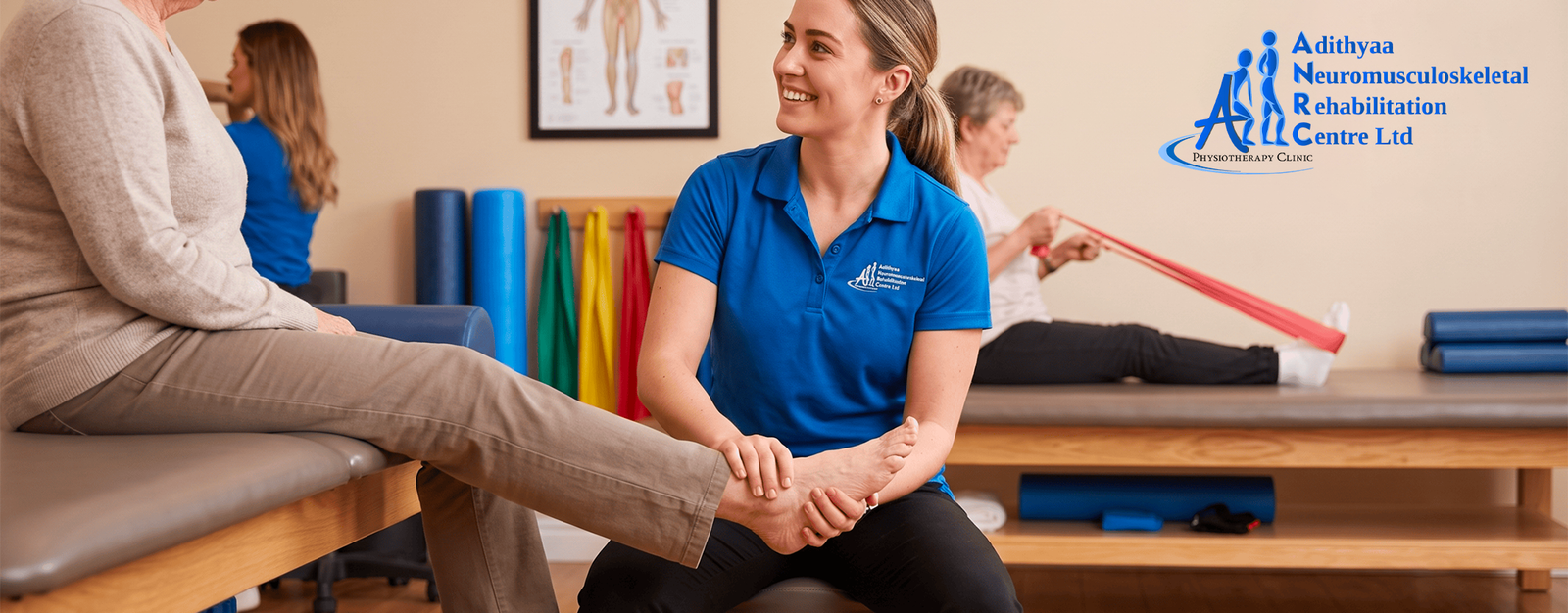
Peripheral neuropathy is damage to the peripheral nervous system, the network of nerves that carries signals between your brain, spinal cord, and the rest of the body.
Common Causes:
- Diabetes: Leading cause in the UK; early detection can prevent up to 75% of related amputations.
- Chemotherapy: Certain cancer drugs can damage nerves during or after treatment.
- Idiopathic: No identifiable cause; often occurs in middle-aged and elderly adults.
- HIV/AIDS: Some medications can trigger neuropathic symptoms; adjusting treatment may help.
Types of Peripheral Neuropathy:
- Diabetic Neuropathy: Painful nerve damage from high blood sugar.
- Chemotherapy-Induced Peripheral Neuropathy (CIPN)
- Guillain-Barré Syndrome (GBS): Rapid-onset autoimmune condition.
- Chronic Inflammatory Demyelinating Polyneuropathy (CIDP): Chronic autoimmune attack on nerves.
- Proximal Neuropathy: Affects nerves supplying hip, thigh, or buttock muscles.
Symptoms:
Sensory Nerves
Numbness, tingling, sharp or burning pain, extreme sensitivity, sensory loss.
Motor Nerves
Muscle weakness, atrophy, poor coordination, twitching or cramps.
Autonomic Nerves
Digestive issues, blood pressure changes, bladder/sexual problems, abnormal sweating.
When to See a doctor: Seek medical attention for sudden numbness, tingling, weakness, or slow-healing foot wounds to prevent complications.
How Physiotherapy Works in Peripheral Neuropathy
We don’t heal the nerves directly in most cases, but we try to optimize the body’s function despite nerve damage.
What happens if physiotherapy delays:
- Muscle Atrophy: Muscles weaken quickly, reducing mobility and increasing fall risk.
- Balance Loss: Poor proprioception raises chances of falls and injuries.
- Joint Stiffness: Immobility shortens muscles and ligaments, limiting movement.
- Persistent Pain: Chronic pain pathways strengthen; treatments become less effective.
- Functional Decline: Daily activities become harder; independence decreases.
- Reduced Recovery: Late physiotherapy slows progress and limits nerve/muscle recovery.
We, ANRC physiotherapy clinic are here to help you out. Our goals of Physiotherapy in Peripheral Neuropathy include:
- Improve Strength and Function: Weakness is common in neuropathy; physiotherapy targets muscle groups affected by nerve damage.
- Enhance Balance and Coordination: Neuropathy often impairs proprioception, increasing fall risk.
- Reduce Pain and Discomfort: Gentle exercises and modalities can help manage neuropathic pain.
- Prevent Secondary Complications: Maintaining mobility helps prevent joint stiffness, muscle atrophy, and pressure ulcers.
- Educate on Safe Mobility and Self-care: Teaching protective strategies for insensate feet or hands.